Reviewing Vinyl Decal Instructions Care Card for Embroidery
As a designer who has spent years turning digital concepts into tangible, stitched products, I approach every new asset with a mix of excitement and skepticism. When I first encountered the Vinyl Decal Instructions Care Card, my immediate thought wasn't about its marketing copy, but rather how it would translate from a flat screen to a piece of fabric under the needle. This is a Print Template category item, specifically a Graphics asset designed for personalization via Canva. But does a digital template actually hold up when you are trying to elevate a handmade product or run a boutique embroidery business? Let's dig into the practical reality of using this design in real-world projects.
The First Impression: Mood and Visual Personality
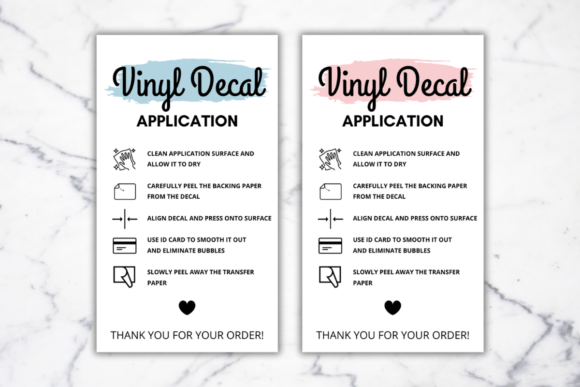
The name itself suggests utility, but the visual execution determines whether it feels like a necessary afterthought or a polished brand element. From a design perspective, the Vinual Decal Instructions Care Card carries a clean, modern aesthetic that screams "professional finish." It doesn't try to be an artistic masterpiece; instead, it serves as a functional frame for information. This mood is perfect for clients who want their products to look high-end without cluttering the main embroidered motif.
In the context of a finished project, this design acts as a subtle anchor. It creates a sense of completeness. When a customer receives a custom embroidered sweatshirt or a personalized tote bag, they often expect care instructions or a brand tag. A generic printed card can feel cheap, but integrating a design like this—whether as a patch, a direct-to-garment print, or a label attached to the item—elevates the perceived value immediately. The layout is simple enough to read quickly, yet detailed enough to convey trust and attention to detail.
Real-World Application: The Custom Tote Bag Scenario
To understand the true potential of this asset, imagine a scenario where I am preparing a batch of custom embroidered tote bags for a local craft fair. These aren't just plain canvas bags; they feature a complex floral applique design on the front. The goal is to create a cohesive experience for the buyer. Instead of slipping in a flimsy paper slip, I decide to use the Vinyl Decal Instructions Care Card concept.
I visualize the final product: a sturdy canvas bag with the floral embroidery, and right at the bottom hem, a small, neatly stitched label containing the care instructions and a thank-you note. Using this template allows me to maintain consistency across all my shop items. For an Etsy seller or a small business owner, this level of uniformity is crucial for branding. It tells the customer, "This was made with intention." The design fits naturally on the back of a cap, the corner of a kitchen towel, or even inside the neck of a baby onesie. It transforms a standard utility item into a branded experience.
Performance Across Different Embroidery Situations
The versatility of this design depends heavily on how it is applied. In terms of machine embroidery design capabilities, the simplicity of the Vinyl Decal Instructions Care Card is both its greatest strength and its potential limitation. Because it relies on clear text and structured lines, it performs exceptionally well in satin stitch applications where sharp edges are needed for headers or borders.
For custom apparel like t-shirts and hoodies, this design works best when used as a secondary element. It adds a layer of professionalism that separates hobbyist work from commercial-grade output. However, if you are working on applique design projects, the text-heavy nature of this card might require careful planning. You wouldn't want the intricate details of the card to compete with the main subject of your embroidery. Instead, think of it as the supporting cast—a way to present the story of the garment clearly.
When considering embroidery file types, remember that since this is a digital template created in Canva, you will need to convert it appropriately for your machine. Whether you are creating a digital embroidery file for a commercial project or a printable mockup for your online store, the clarity of the original graphic is key. If the source file is too low resolution, the stitch density required to render the text will become muddy, especially on smaller items.
Where to Exercise Caution
No design is a one-size-fits-all solution, and there are specific scenarios where the Vinyl Decal Instructions Care Card needs a second look before you hit the start button. One major consideration is the hoop size. If you are attempting to fit this design onto a very small surface, such as a baby hat or a tiny patch, the text may become illegible once stitched. Tiny lettering in embroidery is notoriously difficult to execute cleanly, often resulting in thread breaks or fuzzy edges that look unprofessional.
Fabric texture also plays a critical role. On highly textured fabrics like heavy denim or chunky knits, the stability of the design can be compromised. Similarly, on stretchy fabric, the tension of the stitches might distort the rectangular shape of the card, making it look wavy or uneven. Dark fabrics present another challenge; unless you use a high-contrast thread color or a stabilizing underlay, the text might get lost in the weave of the material.
Furthermore, consider the durability of the final product. If this card is being used on items that will undergo frequent washing, such as aprons or tea towels, ensure that the design includes a robust border or backing. Without proper stabilizer support, the edges of the design might pucker over time, ruining the crisp look that makes the Vinyl Decal Instructions Care Card so appealing in the first place.
Impact on Brand and Customer Trust
In the world of craft business and Etsy sellers, presentation is everything. A well-executed care card does more than just tell a customer how to wash their item; it signals quality. When a buyer sees a consistent, professional-looking instruction set on a handmade product, it builds confidence in the maker. It suggests that the creator cares about the longevity of the item and the satisfaction of the recipient.
This design element enhances the giftability of your products. A personalized gift with a dedicated, nicely framed instruction card feels more thoughtful and complete. It turns a simple object into a curated package. For commercial embroidery projects, this level of detail helps justify higher price points. Customers are willing to pay more for goods that feel premium, and small touches like a well-designed care label contribute significantly to that perception.
Practical Designer Notes for Implementation
Before you commit this design to your production line, there are a few technical steps every designer should take. First and foremost, test the design on scrap fabric first. This is non-negotiable. Run a test stitch-out to check for any alignment issues, thread tension problems, or unexpected gaps in the fill stitch areas.
Always review the thread colors against your intended background. A design that looks great in black and white mockups might fail in reality if the contrast isn't sufficient. Since this is a graphics asset meant for personalization, ensure you have verified the licensing terms if you plan to sell finished items featuring this design. Confirm whether the license covers commercial embroidery or if it is restricted to personal use only.
If you are working with dense stitch areas, consider reducing the stitch count slightly to prevent the fabric from becoming too stiff. Also, inspect the small details closely; sometimes, what looks like a solid line in the digital preview can break apart during stitching. Finally, compare light and dark fabric backgrounds to ensure the design remains legible across your entire product line. By taking these precautions, you ensure that the Vinyl Decal Instructions Care Card serves its purpose perfectly, enhancing your finished product without compromising quality.