Real-World Review: Rustic Harvest Embroidery Font
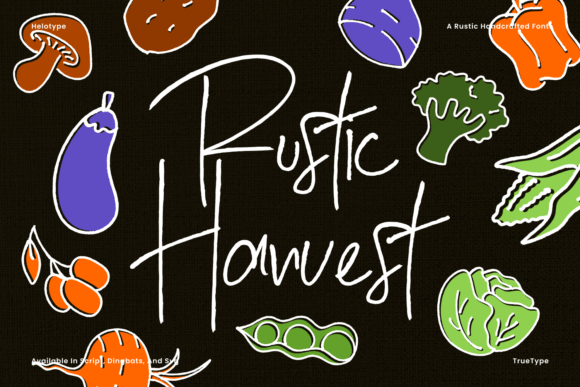
When I first opened the Rustic Harvest font family bundle, I didn't just see a collection of letters; I saw a specific mood. As someone who spends hours evaluating machine embroidery design files for client projects and my own craft business, my first instinct is to ask: does this translate well from screen to stitch? The answer is a resounding yes, provided you understand where it belongs. This isn't a sterile, corporate typeface. It is a Script Amp style collection that captures the warmth of a countryside harvest, complete with charming dingbats that feel like they were hand-drawn by a farmer's wife in 1920.
The visual personality of Rustic Harvest is defined by its imperfect, flowing lines. In the digital realm, it looks inviting and cozy. But embroidery is a different beast entirely. The question becomes how those fluid curves hold up when converted into thread. My initial assessment suggests that this embroidery file excels in creating a sense of authenticity. It doesn't try to be perfect; it tries to be real. That distinction is crucial for anyone selling handmade goods on platforms like Etsy or running a boutique shop where "crafted" is a key selling point.
Putting It to the Test: A Custom Tote Bag Project
To truly judge the utility of Rustic Harvest, I decided to simulate a real-life scenario rather than just looking at a static image. Imagine you are preparing a custom embroidered tote bag for a local farmers' market pop-up. You want to sell these as gifts for new homeowners or as promotional items for a small bakery. The project needs to look professional but retain that artisanal touch that mass-produced bags lack.
I loaded the Rustic Harvest design onto my hoop with a sturdy canvas fabric. The goal was to stitch a phrase like "Fresh Picked" alongside one of the rustic dingbats. As the machine began its work, the performance was immediately noticeable. The script elements flowed naturally, mimicking the motion of a brushstroke. Unlike block fonts that can sometimes look stiff on soft fabrics, this design has a natural rhythm. When finished, the text felt integrated into the fabric rather than sitting on top of it.
The dingbats were the standout feature here. They added just enough visual weight to balance the lighter script without overwhelming the message. For a tote bag design, this level of detail creates a high perceived value. Customers walking past the stall would likely pause because the texture of the embroidery catches the light differently than printed ink. It signals quality. If I were an Etsy seller, I would use this exact setup to create a listing for personalized gift sets, knowing that the finished product would stand out in search results filled with generic designs.
Where Rustic Harvest Shines in Commercial Projects
Beyond the tote bag, this Fonts bundle offers versatility for a wide range of custom apparel and home decor items. The warm, organic nature of the lettering makes it ideal for holiday embroidery projects, such as Christmas stockings or Thanksgiving table runners. The dingbats can serve as decorative borders or accents on kitchen towels, adding a focal point that feels intentional and curated.
For baby clothes, the gentle curves of the script are soothing to the eye. A onesie embroidered with "Little Sprout" using Rustic Harvest would fit perfectly into a nursery decor line. The design avoids harsh angles, which helps maintain a soft aesthetic suitable for infants. Similarly, for commercial embroidery projects involving branded merchandise, this font can establish a brand identity that feels approachable and trustworthy. Think of a coffee shop logo stitched onto aprons or a wedding invitation suite featuring monograms created with these letters.
The inclusion of various weights and styles within the bundle allows for creative layering. You can combine the main script with the smaller dingbats to create a balanced composition. This flexibility is essential for small business owners who need to adapt their designs to different products without buying multiple new files. Whether you are creating embroidered patches for denim jackets or designing pillow covers for a farmhouse-style living room, Rustic Harvest provides the structural foundation needed to build a cohesive collection.
Practical Limitations and Design Challenges
However, no design is perfect for every situation, and an honest review must address where Rustic Harvest might struggle. The most significant challenge lies in the density of the script. Because it mimics handwriting, there are areas where the threads cross over each other. On very small hoop sizes, particularly under two inches, the fine details of the script may merge together, losing legibility. If you are attempting to stitch tiny lettering on a baby hat or a miniature patch, you risk the text becoming a blob of thread.
Fabric choice is another critical factor. While this design works beautifully on stable materials like canvas, denim, or cotton twill, it requires caution on stretchy fabrics. Without proper stabilization, the tension of the satin stitch used for the outlines could cause the fabric to pucker, distorting the elegant curves of the letters. Thin, delicate fabrics might also tear under the weight of the fill stitches if the density is too high. In these cases, a heavy-duty stabilizer is non-negotiable.
Color contrast plays a massive role in the success of this project. The script relies on definition to show off its personality. Stitching dark thread on dark fabric will result in a muddy, indistinct appearance. Conversely, light thread on white fabric might disappear entirely. To ensure the visual appeal remains high, always test your thread colors against your chosen fabric background. Additionally, curved surfaces like caps present a unique difficulty. While the design is adaptable, the curvature of a cap can distort the flow of the script, making it appear uneven unless the digitization accounts for the dome shape.
Essential Notes for the Professional Designer
Before committing to a large run of handmade products or accepting a paid order, I strongly advise running a test on scrap fabric. This step is not optional; it is standard practice for any serious designer. Check the stitch density to ensure the threads aren't so packed that they create a hard, cardboard-like feel. Inspect the corners of the letters and the tips of the dingbats to make sure they are sharp and distinct.
If you plan to sell finished items or digital mockups, verify the licensing terms included with the Rustic Harvest bundle. Some fonts allow commercial use only for physical goods, while others permit resale of the digital files themselves. Understanding these restrictions protects your craft business from legal issues down the road. Also, consider testing the design in black and white mockups. Sometimes color distracts from structural flaws, and viewing the design in grayscale can reveal if the spacing and alignment are truly balanced.
Ultimately, Rustic Harvest is a powerful tool for designers who want to inject warmth and character into their work. It bridges the gap between digital typography and tactile thread artistry. By respecting its limitations regarding size and fabric, and by leveraging its strengths in storytelling and texture, you can create personalized gifts and boutique branding that resonate deeply with customers. It is more than just a font; it is a design asset that elevates the entire perception of your embroidery project.
For those looking to expand their design assets library, this bundle offers a solid return on investment. It fits seamlessly into the workflow of apparel decorators and digital product sellers alike. Just remember to prioritize quality control during the stitching process. When executed correctly, the Rustic Harvest font family delivers a result that feels timeless, authentic, and undeniably handmade.