Podcast Studio Logo Design: A Designer's Real-World Embroidery Review
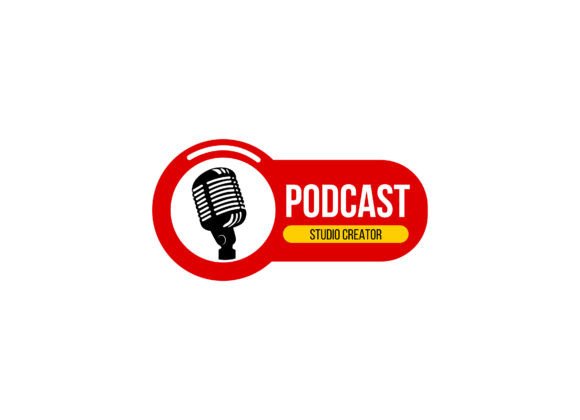
When I first opened the Podcast Studio Logo Design file, my initial reaction wasn't about the technical specs but rather the immediate visual energy it projected. As a designer who spends hours translating digital graphics into tangible stitches, I look for that specific spark where a vector image transforms into a tactile experience. This design doesn't just sit there; it feels like it belongs on a high-quality piece of custom apparel or a branded tote bag for a creative entrepreneur. It captures the essence of audio production without feeling cluttered, which is a rare and valuable trait in an embroidery file.
The mood created by this logo is professional yet inviting. The layout suggests a space where ideas flow freely, making it perfect for anyone looking to brand a home studio or a boutique merchandise line. Unlike many generic logos that feel cold or overly corporate, this one has a personality that resonates with the modern maker. Whether you are an Etsy seller preparing a holiday collection or a small business owner launching a new line of custom apparel, the visual weight of this design strikes a balance between artistic flair and commercial viability.
From Vector to Thread: How It Handles Stitching
Translating a digital graphic into a physical machine embroidery design requires careful consideration of stitch density and pathing. When I simulated how this design would render on fabric, the curves appeared smooth, and the potential for a clean satin stitch finish was evident. The core strength of this Graphics asset lies in its editability. Since the files include EPS and Adobe Illustrator formats, I could easily adjust the curves before converting them to stitch paths. This flexibility is crucial for avoiding those dreaded puckered corners that often ruin a finished product.
In a real-world scenario, imagine creating a set of embroidered patches for a podcast community event. The clean lines of the Podcast Studio Logo Design would allow for precise cutting and finishing. However, if you plan to use this for a dense fill stitch area on a heavy sweatshirt, you must be mindful of the thread colors chosen. High contrast is your best friend here. If you attempt to embroider this on a dark fabric using a similar shade of thread, the detail will vanish. Testing the design on scrap fabric first is non-negotiable to ensure the thread coverage is sufficient to hide the background material.
Real-Life Application: The Tote Bag Test
To truly understand the value of this design, I decided to put it through a practical test case. I envisioned a project for a local craft fair: a series of canvas tote bags featuring the logo for a popular local podcast network. The goal was to create a gift item that felt premium enough to justify a higher price point while remaining durable for daily use.
The Podcast Studio Logo Design performed admirably in this context. On a sturdy cotton canvas, the design held its shape well. The lack of excessive tiny details meant that even with a standard hoop size, the edges remained crisp. Customers browsing the booth were drawn to the clarity of the stitching. It didn't look like a cheap print; it looked like a handcrafted element. This distinction is vital for craft business owners who rely on perceived quality to drive sales. The design elevated the simple tote bag from a utility item to a statement piece of handmade product branding.
Similarly, this design translates beautifully to baby items. A soft onesie or a nursery pillow cover benefits from the friendly yet structured aesthetic of the logo. Parents want their children's clothes to look unique but not overwhelming. The balanced composition of this embroidery project ensures it adds character without dominating the garment. For a personalized gift, adding a name alongside this logo creates a cohesive and thoughtful present that stands out in a sea of generic gifts.
Where to Exercise Caution and Precision
While this design is versatile, it is not without its challenges. There are specific scenarios where Podcast Studio Logo Design might struggle if not handled with care. One such area is small hoop sizes. If you attempt to stitch this onto a narrow cuff or a very small patch, the fine details may get lost or become difficult for the machine to navigate accurately. In these cases, simplifying the design or reducing the stitch count might be necessary.
Textured fabrics also present a hurdle. While a smooth cotton works well, trying to embroider this on a thick, looped towel or a fuzzy fleece can cause the stitches to sink into the pile, losing definition. For these materials, a stronger stabilizer is required to support the tension. Additionally, stretchy fabrics like jersey knit require extra attention. Without proper hooping techniques and the right stabilizer, the stitch density could cause the fabric to pucker around the logo, ruining the professional look of the finished product.
Detailed corners and tiny lettering within the logo should be avoided on curved surfaces like caps. The curvature of a hat can distort straight lines, making text hard to read. If you are planning a commercial embroidery run on hats, consider testing a single unit first to see how the geometry interacts with the curve. Similarly, for products that need frequent washing, such as kitchen towels or aprons, ensure the design is robust enough to withstand friction without fraying.
Maximizing Visual Appeal and Brand Consistency
The true power of a well-executed embroidery design lies in its ability to build trust and recognition. When a customer sees a consistent, high-quality logo on a tote bag, a cap, or a promotional blanket, it signals professionalism. The Podcast Studio Logo Design offers a solid foundation for this brand consistency. Its editable nature allows you to tweak the colors to match your specific brand palette, ensuring that whether it appears on a digital mockup or a physical garment, the identity remains intact.
For digital product sellers, having access to JPEG, PNG, and PDF versions means you can create stunning printable mockups to showcase your services. You can demonstrate how the design looks on various backgrounds, helping clients visualize the final result. This transparency increases buyer engagement and reduces the likelihood of returns due to mismatched expectations. Furthermore, the ability to remove unwanted text or edit curves gives you the freedom to adapt the design for different projects, making it a versatile asset for any creative entrepreneur.
Practical Notes for the Embroidery Designer
Before you start stitching, there are a few critical steps to take to ensure success. First, always review the stitch density in your digitizing software. If the fill areas are too dense, the fabric may warp; if they are too sparse, the underlying material might show through. Second, confirm your hoop size matches the dimensions of the design to avoid cropping essential elements.
Thread color selection is another key factor. Use the provided files to experiment with different combinations. A monochromatic approach often looks sleek, while a multi-color setup can add vibrancy. Remember to check the licensing terms regarding commercial use. Are you allowed to sell finished items bearing this logo? Confirming this before you invest time in production is essential for protecting your small shop product business.
Finally, don't skip the black and white mockup test. Sometimes, color distracts from structural issues. Viewing the design in grayscale can reveal problems with negative space or balance that color might hide. By following these guidelines and leveraging the flexibility of the Podcast Studio Logo Design, you can produce exceptional work that delights customers and elevates your brand. Whether you are crafting a holiday embroidery gift or expanding your Etsy listing, this design provides the reliable, high-quality base needed for success.